Electric Porsche Cayenne Is Getting Back To What Made The Original So Great
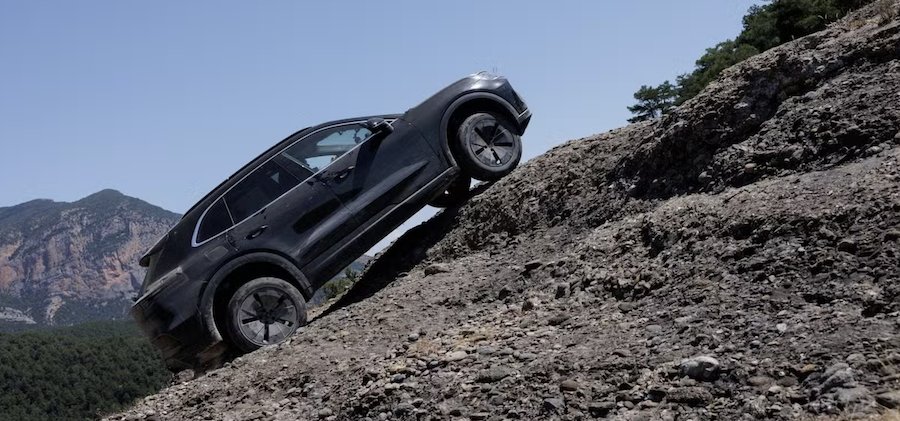
The Porsche Cayenne Electric is the first time that Porsche has used digital testing for the entire process, right up until it built pre-series production models. That saved it from needing more than 100 test vehicles, but when it comes to final detail checks, there's still nothing that beats freezing cold and scorching heat like the real world.
But engineers can now supplement much of that with virtual work. Porsche engineers are taking full advantage of that.
Digital Testing Can Do Everything The Real World Can
Digital vehicle testing needs three pillars. It needs precisely designed routes in the computer, it needs engineer experience from field-testing, and it needs computer hardware that's more powerful than a Taycan Turbo GT. This lets the engineers test each part and even the entire vehicle on virtual routes ranging from racing the Nürburgring to being stuck in traffic. When you don't need a physical prototype, you can test more things more quickly and –Porsche hopes – more accurately. Much to the chagrin of the CarBuzz spy photographers, who will have a much harder time catching prototypes testing when it's all happening in VR.
Testing isn't just in the computer, though. Porsche also puts the vehicles and parts on test benches. They can simulate acceleration and braking, and even program in different types of pavement. Porsche says that its simulations are now "so accurate that there are hardly any deviations that need be corrected after acquiring the physical test results."
Simulations saved Porsche from building 120 prototype units of the Cayenne electric, as well as time and travel. A last-minute failure during a test up north can set your whole process back almost a year, after all. Endurance testing, simulating vehicle life under conditions beyond what any owner will likely experience, condenses nearly 100,000 miles into months instead of years.
But before the new Cayenne electric goes into full production, it still needs a real human on the road.
Okay, Digital Testing Does Almost Everything
"In reality, only humans can perform the finishing touches," says Sascha Niesen, Team Leader Overall Vehicle Testing at the Porsche Development Center in Weissach. The company said that "the importance of test drivers' experience in perfectly balancing driving dynamics and control strategies is particularly evident on racetracks." But it also helps prove the charge management system.
The Cayenne EV needs to be ready for fast charging no matter how it has been driven before you pull into the station, even in hot regions like Death Valley. In Scandinavia, it's tested to almost -40. Climate control systems, handling and braking, and, yes, the ability to fast charge even when frozen. Porsche took the Cayenne Electric through punishing off-road trails, to deserts in the US and Middle East, and to almost the North Pole. It towed massive boats and charged in ultimate extremes, all to help make sure it could handle anything owners needed it to.
Porsche says that developing the vehicle this way cuts total time from start to production by 20%. It also uses less resources. But we'll still need to wait for the real thing to launch to find out how the results turn out in the real world, and if the newest Cayenne is really up to the off-road chops of the original.
Related News
