Subaru Built A 510-HP Electric Wagon Without Toyota's Help
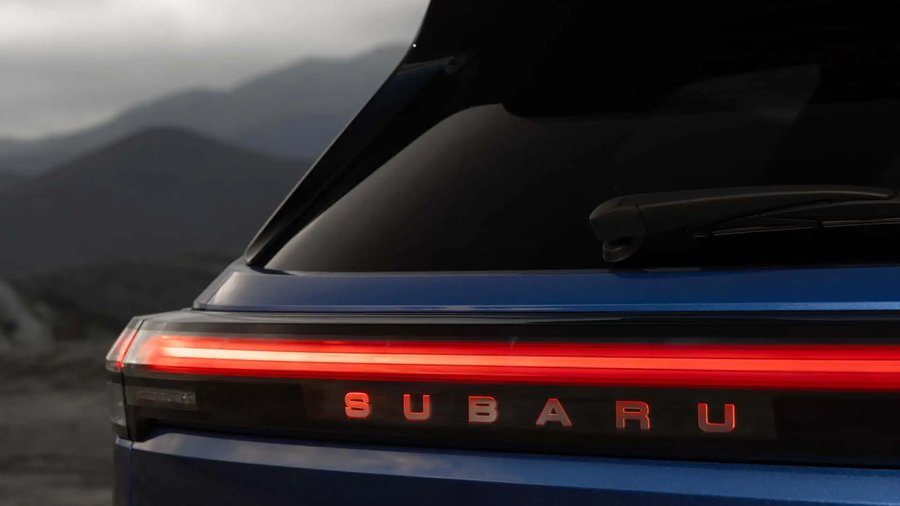
Subaru rolled a modified Outback out of its proving ground north of Tokyo on October 18 and let it show what the company can build without Toyota's help. The test mule packs dual electric motors, all-wheel drive, and about 510 horsepower. It's the clearest look yet at Subaru's in-house EV ambitions.
Executives said some of the hardware under that wagon body could reach showrooms starting in 2029, though they stopped short of naming an actual production model. For now, it's a rolling demonstration of what Subaru's engineers have been building on their own.
Dual-Motor All-Wheel Drive
The prototype runs a front e-axle from supplier Aisin rated at 150 kW (201 hp) paired with a stronger 230 kW (308 hp) unit at the rear. It splits power across both axles for all-wheel drive. According to Automotive News, which published a photo of the prototype test mule, that setup pushes the wagon to 62 mph in under four seconds.
Subaru can tune motor output and torque distribution without using Toyota's e-TNGA architecture, which underpins the Solterra and other joint-development EVs sold today. This is Subaru's own engineering from the ground up.
It's a sharp departure from the brand's current electric SUVs on the road, from the compact Solterra to the wagon-like Trailseeker and the subcompact Uncharted. It also sits apart from the three-row Getaway, an all-new Toyota co-developed EV that Subaru plans to bring to showrooms early next year.
The new platform instead borrows Subaru's symmetrical all-wheel-drive philosophy. It's the same approach that shapes gas-powered models like the WRX and Outback, and applies it to a dedicated electric chassis.
Subaru hasn't disclosed battery capacity, charging speed, or real-world range for this prototype. The company stresses that the test mule's wagon body has nothing to do with what a production vehicle will look like.
Subaru's 510-HP EV Platform
Weight savings sit at the center of the design. Subaru says the new dedicated EV platform is roughly 220 pounds lighter than the architecture underpinning its current electric models.
The battery pack tells a similar story. It uses about 4,000 cylindrical cells and comes in around 25 percent lighter than Subaru's previous pack, with a stated target of reaching energy density roughly 20 percent above the industry average.
Subaru also built an integrated control unit meant to manage motors, battery, and software from a single point rather than through the patchwork of separate modules common on older EV platforms. That setup is designed to support over-the-air updates, letting Subaru push performance or feature changes after a vehicle is already in a customer's driveway.
None of this changes what's already confirmed for the next few years. Subaru has outlined a run of Toyota-based electric SUVs built on existing joint platforms, and the automaker's own timeline for in-house EVs has shifted before. However, the 510-hp mule is a glimpse of where the engineering is headed.
Related News
