Maserati’s Next Electric Cars Could Be A Large GT And SUV: Report
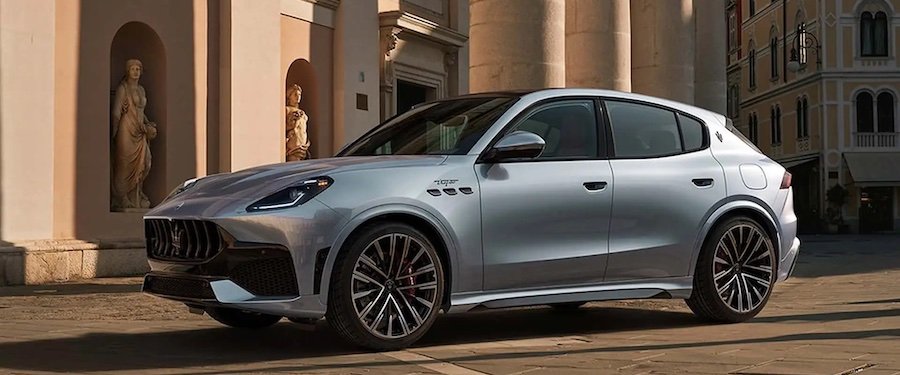
Maserati is reportedly in advanced talks to build two new electric vehicles with Huawei, and the timing tells its own story. The Italian brand delivered about 7,900 cars globally in 2025, a drop of roughly 85 percent from its 2017 peak.
The lineup under discussion includes a mid-to-large electric SUV and a large electric grand tourer positioned to sit alongside the Grecale Folgore and GranTurismo Folgore. Current reports describe both models as part of the same program without confirming which one would reach production first.
What Maserati, Huawei And JAC Have Reportedly Agreed To
According to Future Cars Daily Huawei would supply its HarmonyOS Intelligent Mobility platform covering the smart cockpit, Qiankun ADS driver assistance software and electric drive components. JAC Motors would handle whole-vehicle engineering and manufacturing through its Zunjie Super Factory in Hefei.
Maserati's side of the potential deal is narrower but strategically loaded by offering design styling and access to its overseas distribution network.
No definitive commercial agreement between the parties has been publicly announced and launch timing has not been confirmed. Reports point to mass production of the first model in the second half of 2027 but neither Maserati nor Stellantis has officially detailed any schedule.
Stellantis CEO Antonio Filosa has been blunt about the limits of any tie-up. "Maserati needs industry partners but will not sell the brand" he said, a line that still defines how deep any collaboration is allowed to go.
The SKD Plan Behind The Badge Swap
The proposed export model, as described in reports, relies on Semi Knocked Down shipping, body shells get built at the Zunjie factory in Hefei then travel to Italy for final assembly work before the cars reach customers.
That split would let Maserati market the cars as finished Italian-assembled products while leaning on Chinese manufacturing scale for the expensive parts underneath. It mirrors other programs that assume buyers care more about final assembly than where the shell was stamped.
Reports describe a dual-brand structure, the vehicles would sell domestically under the Maextro name while wearing Maserati badges in export markets. The Middle East, Italy, France and Germany are named as the first overseas markets targeted for rollout.
The reported arrangement lands as Maserati posted an adjusted operating loss of €198 million ($227 million), a profit margin of negative 27.3 percent. That backdrop explains why a brand built on Italian mystique is now weighing a Chinese-engineered platform to stay in the electric race.
